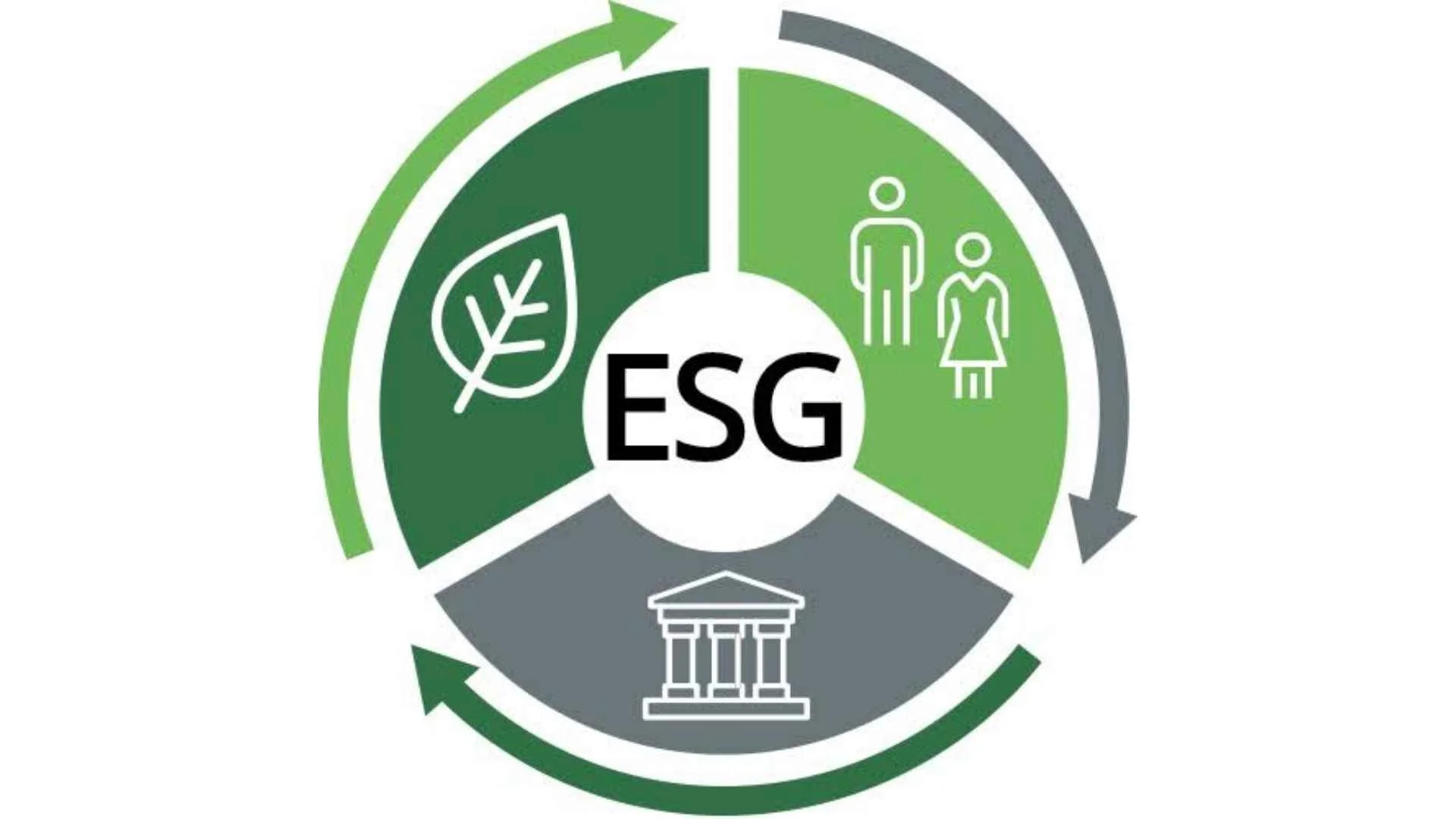
I have been working on ESG for more than 3 years now. I have had the opportunity to be part of the policy making bodies with the government on this very topic. Also, as an independent director, have had the opportunity to also work on implementing the same. I have been supporting organizations to get green credits: Water, Carbon and Waste Recycling. I had like to share some of my learnings and experience in this domain with everyone and start a series of blogs on the same. Here is the first one that focusses on the ESG and key trends in 2024 & beyond. Do let me know what you had like to hear more on this topic.

ESG (Environmental, Social, and Governance) is on the rise in India, showcasing its value for sustainable business and long-term growth. Here are some Key trends in ESG for 2024 & beyond:
Mandatory ESG Reporting: SEBI has mandated ESG reporting for top 1000 companies. SEBI’s Business Responsibility and Sustainability Report (BRSR) for the top 1000 listed companies enhances transparency and aligns corporate practices with sustainability goals. Social Stock Exchange: India’s Social Stock Exchange (SSE) allows non-profits to raise funds through zero-coupon bonds, directing capital towards social impact projects, and providing retail investors a chance to support social causes.
ESG-focused investments are surging, with funds and ETFs (Exchange Traded Funds) screening for high ESG scores. India now offers ESG indices like the Nifty 100 ESG Index and S&P BSE 100 ESG Index, promoting responsible investment strategies (India Brand Equity Foundation).
The increasing emphasis on ESG transformation across the globe has led to the development of ESG regulations and standards. In India, governing bodies like the Ministry of Corporate Affairs (MCA), the Securities Exchange Board of India (SEBI), the Central Pollution Control Board (CPCB) and the Ministry of Environment, Forest and Climate Change (MoEFCC), have laid down several guidelines and regulations which are specific to the Indian market. Companies must comply with ESG regulations based on the jurisdiction in which they operate. These regulations and stakeholder expectations have pushed companies to embrace ESG aspects in their business strategy. As a result, Board of Directors (BoDs) around the globe have recognized ESG as an important agenda for boardroom discussions
Corporate Accountability Focus: Companies are expanding reporting beyond environmental to include social and governance metrics like resource usage, diversity, and anti-corruption efforts. This shift encourages ethical and sustainable business practices.
This momentum is reshaping the business landscape in India, making ESG leaders more appealing to investors, employees, and consumers alike.
Key stakeholders driving the ESG trends:
Below picture depicts that 5 key stakeholders who are driving the ESG trends. It clearly articulates triggers and the driving forces for the adoption.

In my next blog, I will discuss the role of the Board of Directors in integrating the ESG principles into the company’s core strategy. Would share key aspects they should look for while defining the ESG vision, strategy and the roadmap. Stay tuned!